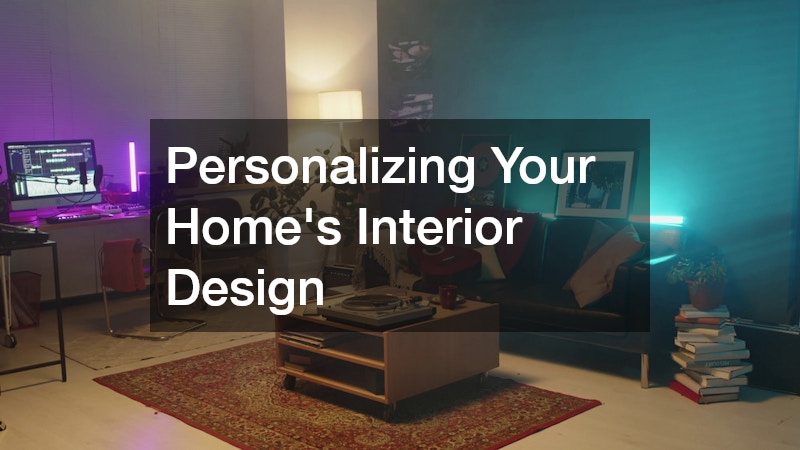
There is a distinct difference between a house that looks beautiful and a home that feels like you. In an era dominated by perfectly curated social media feeds and algorithmic design trends, it has become remarkably easy to fall into the trap of the “catalog home.” We see a beautifully staged room online, replicate it piece for piece, and then wonder why the resulting space feels sterile, disconnected, and devoid of soul. When you design a home entirely around what is trendy rather than what is personally meaningful, you wind up living in someone else’s aesthetic fantasy.
True personalization is the antidote to this design homogenization. It is the deliberate process of infusing your unique life story, daily habits, cultural background, and genuine aesthetic preferences into the physical structure of your living space. A personalized home doesn’t care about what is “in” this season; it cares about how a room makes you feel when you walk through the door after a exhausting day, how seamlessly it supports your morning routines, and how it gathers the people you love.
Living & Common Areas
The living and common areas serve as the psychological center of gravity for your home. These are the spaces where you transition from the public world to the private sphere, making it crucial that they immediately establish your home’s unique narrative. Personalizing these zones begins with a brutal assessment of how you actually live, rather than how you think you should live. If you rarely host formal cocktail parties but spend every Friday night watching films with your family, your living room should prioritize deep, comfortable seating and acoustics over stiff mid-century modern armchairs and minimalist layout trends.
To inject history and character into these common areas without making them feel chaotic or cluttered, aim for a curated mix of old and new. A room that contains only brand-new showroom furniture lacks depth, while a room filled entirely with antiques can feel like a museum. Pair a clean-lined, contemporary sofa with a vintage textile draped over the back, or flank a modern television with framed artwork collected during your travels. Consider these impactful ways to ground and elevate your main living zones:
- Upgrade the Hearth: The fireplace is the traditional heart of the home, but a dated or inefficient setup can drag down the entire room’s energy. Replacing a drafty, traditional open hearth with a modern fireplace insert can drastically improve your home’s heating efficiency while allowing you to redesign the surrounding mantel with stone, plaster, or bespoke millwork that reflects your style.
- Restore Underfoot Character: Flooring accounts for the largest continuous visual surface in a room, heavily influencing how light and color behave. For homes with existing solid wood underfoot, investing in professional hardwood floor refinishing allows you to completely alter the home’s atmosphere. You can shift from a dated, high-gloss orange oak to a matte, muted European white oak tone, or a rich, moody dark walnut that gives the space an immediate sense of historic permanence.
- Create Intentional Visual Breaks: Use architectural details like coffered ceilings, shiplap, or picture-frame molding to give plain drywall a sense of custom craftsmanship.
By focusing on these foundational, structural elements, your living areas will feel grounded and intentional long before you ever place a coffee table or hang a piece of art.
Culinary Spaces
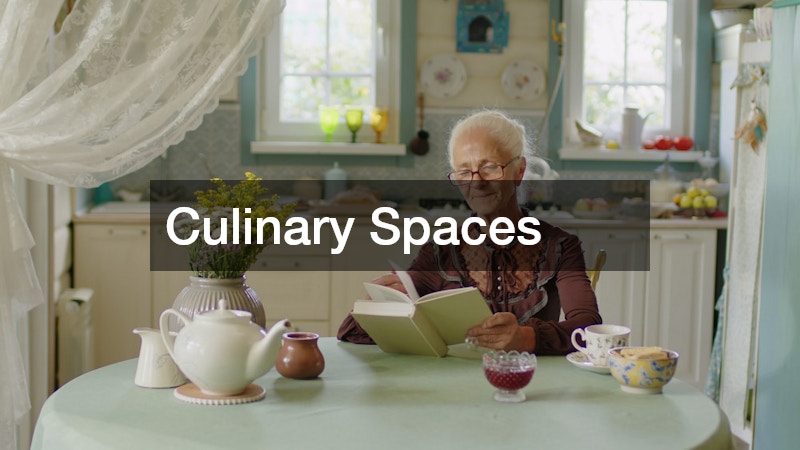
If the living room is the center of gravity, the kitchen is the undisputed engine room of the household. It is a space driven by intense utility, yet it holds the greatest emotional weight for families and entertainers alike. Because the kitchen demands so much physical activity, personalization here must go far beyond choosing a pretty backsplash tile; it must be rooted in the ergonomics of your specific lifestyle.
Begin by mapping out your daily movements. Are you an avid baker who needs lower countertop heights for kneading dough? Are you a coffee enthusiast who wants a dedicated morning beverage station that doesn’t interfere with the main cooking triangle? Or perhaps you love hosting interactive dinner parties where guests can sit comfortably at an island without blocking the path between the refrigerator and the range. Identifying these micro-behaviors allows you to design a kitchen that works with you, not against you.
When it comes to the physical components of a bespoke kitchen, standard, off-the-shelf options rarely suffice for a truly personalized layout. Consider the following structural and functional upgrades:
- Bespoke Storage Solutions: Say goodbye to awkward blind corners and cluttered countertops by opting for custom cabinets that are built around your exact kitchen inventory. Whether it is a dedicated vertical slot for baking sheets, hidden pull-out recycling centers, or an integrated appliance garage that keeps your blender and toaster out of sight, bespoke cabinetry ensures that every item has a home.
- High-Performance Infrastructure: Your choice of culinary tools should align with your passion for cooking and your visual theme. Investing in premium kitchen appliances ensures that your space performs like a commercial kitchen while matching your design language. Whether you prefer the seamless, hidden look of panel-ready refrigerators that blend into the cabinetry or a bold, professional-grade gas range that acts as a visual centerpiece, these choices dictate the culinary capability of your home.
Once the functional bones of the kitchen are established, you can layer in the sensory elements. Swap out standard chrome hardware for unlacquered brass that patinas beautifully over time, or introduce open shelving made from reclaimed wood to break up heavy runs of cabinetry. By treating the kitchen as both a high-performance workshop and a beautiful living environment, you create a space that satisfies both the chef and the designer within you.
Sanctuary Baths

The modern bathroom has undergone a massive philosophical shift. No longer viewed as a purely utilitarian room to be rushed through in the morning, it is now treated as a restorative sanctuary—a private oasis where you can shut out the noise of the world and indulge in self-care. Personalizing a bathroom is all about elevating the sensory experience, turning everyday routines into luxurious rituals.
Achieving a spa-like atmosphere requires a careful balance of light, space, and materiality. Standard builder bathrooms often feel enclosed, dark, and fragmented due to heavy shower curtains or clunky, framed plastic enclosures that visually chop the room into smaller pieces. One of the most effective ways to open up a bathroom and create a continuous, bright flow of light is to utilize professional glass shower door services to install a seamless, frameless glass enclosure. This simple change allows the eye to travel through the entire footprint of the room, immediately making a compact bathroom feel twice its size while showcasing beautiful interior tile work.
To prevent a bathroom from feeling overly sterile, cold, or clinical due to an abundance of porcelain and stone, you must intentionally layer in organic textures and warmth. Consider these design strategies for your private oasis:
- Introduce Organic Warmth: Bathrooms are naturally dominated by hard, cold surfaces. To counteract this, bring in natural wood accents. Applying an exquisite, water-resistant wood finishing to a floating oak vanity, a custom teak shower bench, or delicate accent shelving introduces an organic element that grounds the space and evokes the feeling of a luxury eco-resort.
- Incorporate Tactile Variety: Mix matte finishes with polished surfaces. Pair a textured, hand-molded zellige tile backsplash with a smooth, solid-surface freestanding soaking tub to give the eyes and hands different textures to experience.
- Design a Personalized Lighting Scheme: Avoid harsh, singular overhead lighting. Instead, introduce layered lighting with dimmable sconces at eye level beside the vanity mirror, soft under-cabinet LED nightlights, and an overhead rain shower light to set a calm evening mood.
When you design a bathroom with both visual lightness and organic warmth, you transform it from a room of necessity into a cherished destination within your home.
Light and Color

Of all the tools available for personalizing a home, light and color are undoubtedly the most powerful—yet they are frequently the most misunderstood. These two elements act as the invisible designers of your home, quietly dictating how big a room feels, how warm or cool the atmosphere is, and how your emotions shift as you move from one space to the next.
Natural light is the lifeblood of interior design. It changes constantly throughout the day, shifting from the crisp, cool blues of early morning to the warm, golden hues of late afternoon. To truly personalize how your home interacts with the sun, look closely at your fenestration. Upgrading your home with custom windows allows you to control exactly how light enters your living spaces. You can opt for expansive, floor-to-ceiling black iron casement windows to frame a beautiful backyard view like a piece of living art, or choose specialized frosted, architectural geometric panes to invite daylight into a street-facing room while maintaining absolute privacy.
Once you have optimized the natural light entering your home, you can turn your attention to color. Color is deeply subjective; a shade that makes one person feel energized might make another feel anxious. Personalizing your palette means abandoning the safe, sterile neutrals that are often recommended for resale value and embracing colors that resonate with your personality.
Executing a flawless color transformation, however, requires immense precision and an understanding of how different paint formulations react to light and architectural planes. This is why collaborating with professional interior painting companies is so valuable. Expert painters can help you navigate the complexities of:
- Selecting the Correct Paint Sheens: Choosing where to apply flat, eggshell, satin, or high-gloss sheens to maximize durability and light reflection. For example, a high-gloss ceiling can bounce light around a dark room, while a rich matte finish can make a bedroom wall feel velvety and intimate.
- Ensuring Flawless Architectural Execution: Achieving perfectly crisp lines along trim, crown molding, and baseboards, which elevates the room from a weekend DIY project to a highly sophisticated, custom-designed space.
- Proper Surface Preparation: Addressing micro-imperfections in drywall, skim-coating, and priming so that deep, personalized color pigments apply smoothly and evenly without flashing.
By masterfully controlling the interaction between the natural light streaming through your glass and the specialized color on your walls, you can instantly change the perceived scale and emotional tone of any room in your house.
Bringing the Vision to Life

A magnificent design vision is only as good as its real-world execution. It is easy to get swept up in the excitement of choosing paint colors, custom hardware, and luxurious fabrics, but without a strategic, organized plan of action, home personalization projects can quickly become overwhelming, over-budget, and agonizingly drawn out. To bring your dream home to life without losing your peace of mind, you must approach the transformation with a structured, phased methodology.
The most complex and logistically demanding areas of home personalization almost always center around the rooms that require heavy plumbing, electrical, and structural alterations. For instance, comprehensive kitchen remodels are massive undertakings that require meticulous pre-planning before a single hammer is swung. These projects require you to balance structural engineering, municipal permitting, and trade scheduling long before you ever get to enjoy the aesthetic rewards of your design choices. Consider these essential steps for partnering with the right professionals:
- Enlist a Comprehensive Partner: Look for a reputable, full-service remodeling service that values collaboration. The right team won’t try to force you into a pre-packaged style portfolio; instead, they will listen to your lifestyle needs, respect your budget boundaries, and offer creative engineering solutions to achieve your design goals.
- Establish Clear Milestones: Break your home transformation down into logical phases. Rather than tearing apart your entire house all at once, complete one zone or one level at a time. This keeps your household functional and reduces the psychological fatigue that often accompanies prolonged construction.
- Focus on Invisible Quality: Allocate a realistic portion of your budget to the things behind the walls—such as updated wiring, soundproofing insulation, and modernized plumbing lines. A home cannot truly feel comfortable or personalized if its core systems are unreliable.
By approaching your home personalization journey with patience, clear communication, and a team of skilled craftsmen, you turn what could be a stressful renovation into an empowering, rewarding creative process.
Remember that creating a deeply personalized home is a journey, not a sprint. A house that feels truly lived-in and layered cannot be built in a single weekend or purchased entirely from a single store showroom. It evolves gradually over time as your tastes mature, your lifestyle shifts, and your family grows. Every custom detail you introduce, every color you select, and every structural upgrade you invest in adds a new chapter to the story of your space.
Let go of the rigid design rules, stop worrying about what might appeal to the next hypothetical buyer, and start designing for the person who matters most right now: you. Whether you begin with a simple micro-project like painting an accent wall or embark on a major architectural renovation with a trusted professional, take that first step with confidence. Your dream sanctuary is waiting to be realized.