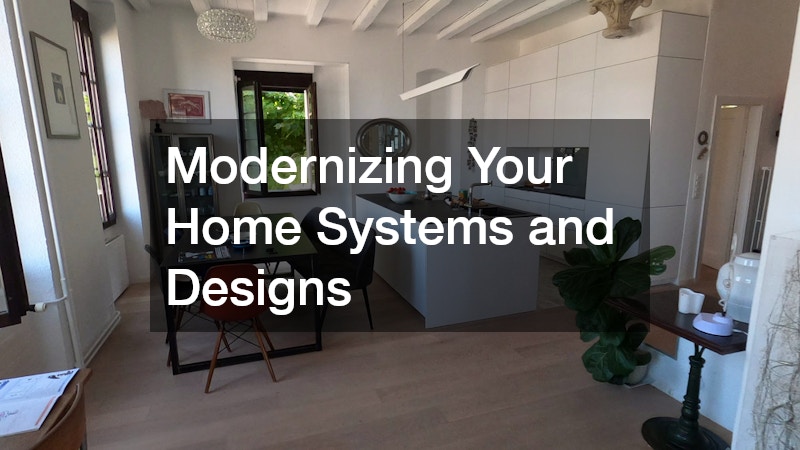
The concept of home renovation has fundamentally shifted over the last decade. Homeowners no longer look at remodeling as a purely aesthetic endeavor designed to change paint colors or swap out old light fixtures. Today, modernizing a home is a comprehensive, holistic pursuit focused on efficiency, wellness, daily convenience, and the seamless integration of technology. A truly modern home works actively for its inhabitants, reducing carbon footprints, automating mundane tasks, and providing a healthy environment that promotes well-being.
When you approach a modernization project, it is vital to balance the visible design elements with the invisible infrastructure of the property. Upgrading a kitchen with beautiful surfaces while leaving fifty-year-old wiring behind the walls is a recipe for operational failure and financial regret. Conversely, updating the mechanical systems without rethinking how your family uses the living spaces misses a massive opportunity to improve your quality of life.
Focus on Your Core Power Capacity First

Many homeowners run into immediate roadblocks when trying to introduce modern amenities like electric vehicle charging stations, induction cooktops, or high-capacity heat pumps. A standard 100-amp electrical panel, common in older homes, is frequently pushed to its safety limits by these additions. Prioritizing a thorough assessment of your electrical service panel is the smartest first step you can take.
- Audit your existing load capacity: Check the main breaker to see if your home runs on 100-amp, 150-amp, or 200-amp service.
- Plan for future expansion: Even if your current needs seem modest, upgrading your infrastructure now prevents costly wall revisions during future projects.
- Prioritize professional diagnostic testing: It is critical to secure the services of a qualified residential electrician to inspect the health of your existing wiring, ground your systems properly, and manage a seamless panel upgrade to 200 or 400 amps.
- Install smart energy monitors: Add an intelligent monitoring system inside the panel breakdown to track real-time appliance usage and pinpoint hidden energy drains.
A professional can also install dedicated circuits for sensitive electronics, protecting your smart investments from power surges and electrical noise.
Design with Layered Visuals and Smart Ambiance
Once your primary power delivery system is stable and up to date, you can turn your attention to how light functions within your home. Traditional residential lighting relied heavily on a single, centralized fixture in the middle of a room, supplemented perhaps by a couple of floor lamps. This approach creates harsh shadows, causes eye strain, and fails to highlight architectural features. Modern lighting design relies on a three-tier approach: ambient lighting for general illumination, task lighting for work surfaces, and accent lighting to add depth and drama.
- Integrate lighting controls: Moving beyond standard wall switches allows you to manage multi-source LED layouts seamlessly. These advanced architectural lighting controls give you the ability to program specific illumination scenes, perfectly balance dimming levels across different fixture types, and eliminate the unsightly rows of switches known as “switch banks.”
- Utilize automated scheduling: Program your systems to naturally mimic circadian rhythms, offering bright, energizing light in the morning and automatically shifting to warmer, softer tones as evening approaches.
- Incorporate vacancy sensors: Install smart sensors in hallways, closets, and bathrooms to ensure lights are only operational when a room is occupied, driving down monthly utility costs.
- Incorporate flush-mount plaster-in channels: Utilize trimless LED tape tracks that embed directly into the drywall for clean, geometric lines of light that fuse seamlessly with the ceiling architecture.
Zone Your Comfort with High-Efficiency Gear
Modern climate control focuses on precision and zoning. Instead of treating the entire house as one massive room, modern layouts break the property down into distinct zones based on usage patterns and natural heat gain from windows. Variable-capacity heat pumps and ductless mini-split systems have revolutionized this space by running continuously at incredibly low, ultra-efficient speeds to maintain an exact temperature.
- Match equipment size to actual demand: Avoid the common mistake of installing an oversized unit, which cycles on and off too quickly, failing to properly dehumidify the air.
- Trust specialized expertise for calculations: Relying on factory-trained HVAC contractors ensures that your home undergoes a precise Manual J load calculation, which factors in insulation values, window orientations, and regional climate data to determine the exact equipment layout required.
- Optimize duct integrity: If you maintain a ducted system, have the joints professionally sealed and insulated to stop conditioned air from escaping into unconditioned crawlspaces or attics.
- Assess your insulation levels before installation: Add spray foam or blown-in cellulose to your attic and wall cavities to maximize the performance of your new, high-efficiency equipment.
Maximize Airflow and Smart Climate Scheduling

A modernized home is tightly sealed to maximize energy efficiency, but this structural tight-sealing means that indoor air can quickly become stagnant and filled with pollutants if not managed correctly. Your air management strategy must combine smart scheduling with high-efficiency filtration to keep your environment healthy.
- Upgrade your filtration standards: Transition away from basic fiberglass filters and adopt media filters with a high MERV rating, which are capable of capturing microscopic allergens, pet dander, and fine dust particles.
- Coordinate your cooling system with smart thermostats: Ensure your primary cooling system is paired with an intelligent thermostat that monitors outdoor humidity and indoor air quality metrics in real time. This allows the system to adjust fan speeds and ventilation rates to keep the home fresh without over-cooling.
- Introduce energy recovery ventilators: These systems continuously swap stale indoor air with fresh outdoor air, transferring heat and moisture in the process so your heating and cooling equipment does not have to work double time.
- Integrate inline UV-C air purifiers: Mount ultraviolet germicidal lamps inside the main duct supply lines to actively neutralize airborne bacteria, viruses, and mold spores before they circulate through the home.
Select Substrates That Balance Durability and Flow
The days of shifting from carpet in the living room to linoleum in the kitchen and tile in the entryway are gone. Modern design favors visual continuity, using a single flooring material across entire levels to make spaces feel significantly larger and more cohesive.
- Choose resilient materials: Look to engineered hardwood, ultra-durable porcelain plank tile, or high-density luxury vinyl flooring to get the warmth of wood with the durability required for busy households.
- Incorporate radiant underfloor heating: If you are changing your flooring, adding a radiant heating grid beneath the surface provides incredibly comfortable, draft-free warmth that rises evenly from the ground.
- Secure precision installation practices: The success of large-format tiles or continuous wood planks depends entirely on an unyielding, flat subfloor. Investing in professional floor installation guarantees that the foundation is ground down, leveled, and stabilized properly, preventing future squeaks, shifting, or cracked grout lines.
- Specify high-performance acoustic underlayments: Layer a sound-dampening membrane beneath your hard surfaces to dramatically lower footsteps and echo noises between multi-level living spaces.
Optimize the Workspace with Premium Materials
Kitchens have evolved from isolated workrooms into the literal center of social and family life. Because the kitchen island is now a homework station, a buffet, and a meal prep area all at once, the materials chosen for these surfaces must be incredibly robust.
- Prioritize non-porous engineered surfaces: Materials like quartz and sintered stone have surged in popularity because they resist staining, scratching, and heat without ever requiring the periodic chemical sealing that natural marble demands.
- Plan seamless transitions: Work with experienced countertop installers who use digital slab-mapping technology. This ensures that when your surfaces are cut and joined, the veining patterns match perfectly at the seams and the cutouts for modern undermount sinks or flush-mounted induction hobs are flawlessly executed.
- Extend materials vertically: Consider using the same material as a full-height backsplash behind the range for a clean, unified look that is exceptionally easy to wipe down.
- Integrate flush wireless charging pucks: Route hidden induction charging points directly underneath the counter substrate so electronics can power up simply by sitting on the stone surface.
Customize Internal Cabinet Layouts for Peak Efficiency
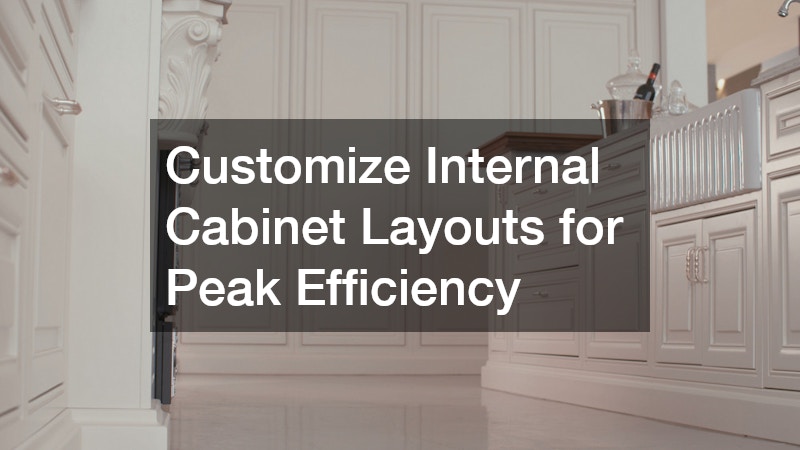
Standard cabinets with deep, dark shelves often become graveyard spaces where items are lost and forgotten. Modern storage design treats cabinetry as an active organizational system rather than a static box.
- Convert lower cabinets to deep drawers: Pull-out drawers allow you to look down over your entire inventory of pots, pans, and dry goods, eliminating the need to get on your hands and knees to find items at the back.
- Utilize specialized hardware upgrades: Source your storage solutions from premium cabinet suppliers who offer heavy-duty, soft-close glides, integrated spice pull-outs, and motorized touch-to-open doors for a hardware-free aesthetic.
- Incorporate internal charging stations: Designate specific drawers with built-in power outlets to keep tablets, phones, and small appliances plugged in and charging out of sight, leaving your countertops completely clear.
- Incorporate integrated internal LED strips: Install automatic micro-switches that illuminate the interior of your drawers and pantries the precise second they are opened.
Secure Clean Water at the Source
True modernization looks at how raw utilities enter the home and refines them before they reach your family or your high-end appliances. Hard water, sediment, and chemical additives like chlorine degrade plumbing fixtures, leave unsightly spots on glass, and shorten the lifespan of water-using appliances.
- Protect your home infrastructure: Installing a multi-stage water filtration system right where your main water line enters the house safeguards your entire plumbing network. This setup filters out contaminants before they can cause scale buildup in your tankless water heater, dishwasher, or washing machine.
- Improve wellness and taste: Whole-house filtration eliminates the smell and taste of chlorine from every tap, providing purified drinking water from the kitchen sink and preventing harsh chemicals from drying out your hair and skin in the shower.
- Reduce plastic waste: Eliminating the reliance on filtered water pitchers or bottled water frees up significant refrigerator and pantry storage space.
- Incorporate an electronic descaler module: Add an auxiliary salt-free conditioner system to neutralize hardness minerals, preventing them from bonding to inside pipe walls without using harsh chemicals.
Re-Engineer Layouts for Enhanced Water Efficiency
A high-performance bathroom requires stable water pressure and precise temperature control. Modern plumbing fixtures are engineered to deliver an indulgent experience while adhering to strict water conservation standards, but they require a robust hidden infrastructure to function correctly.
- Incorporate thermostatic mixing valves: These advanced valves maintain an exact water temperature even when water is drawn elsewhere in the house, preventing accidental scalding or freezing dips in pressure.
- Opt for wall-mounted configurations: Choosing floating vanities and wall-hung toilets opens up valuable floor real estate, creating a cleaner look and making floor cleaning incredibly straightforward.
- Engage a skilled specialist for wall re-configurations: Working with a licensed plumbing contractor is vital when moving drainage stacks or supply lines into the walls for floating fixtures, ensuring everything is properly sloped, vented, and insulated against noise.
- Install electronic smart shower valves: Choose digital interfaces that allow you to preheat your shower to an exact degree using a smartphone app or voice command before you even get out of bed.
Elevate the Walk-In Shower Experience

The centerpiece of the modern bathroom is almost always a spacious, curb-free walk-in shower. By removing structural barriers like high tub lips and heavy framing, the shower integrates seamlessly with the rest of the room, maximizing light and movement.
- Choose linear drainage solutions: Swap traditional center drains for sleek linear drains placed along the wall, which allows the shower floor to slope in a single direction and enables the use of large-format tiles.
- Incorporate frameless glass structures: Specifying a thick, frameless custom shower door eliminates bulky aluminum tracks that collect grime and soap scum, immediately elevating the room’s aesthetic.
- Apply protective glass coatings: Ensure the glass is factory-treated with a permanent oleophobic and hydrophobic shield, which stops water stains from bonding to the surface and keeps your shower looking pristine with a quick wipe.
- Incorporate built-in recessed storage niches: Construct integrated wall shelving lined with matching porcelain tile to keep shampoos and soaps organized without needing clumsy plastic hanging organizers.
Embarking on a journey to modernize your home is an investment that yields immense compounding returns. By methodically upgrading the underlying systems, from electrical panel capacities and high-efficiency climate controls to durable surface materials and tailored storage solutions, you create a living space that stands the test of time. A successful modernization project fundamentally changes how your home feels and functions, shifting it from a place that demands constant maintenance into an efficient environment that supports your lifestyle.
The key to a successful transformation lies in meticulous planning and a refusal to cut corners on structural elements. While it is always exciting to pick out final design elements, giving equal weight to your mechanical and structural systems ensures that your home will run safely and efficiently for decades to come. By taking a systematic approach, understanding how your home’s systems interact, and collaborating with qualified professionals to execute your vision, you can successfully transition your property into a beautiful, high-performing modern sanctuary.